Just like Slughorn, Albus Dumbledore collects people. Only, instead of focusing on those with influence, he looks to the outcasts.
The expelled half-giant. The young werewolf. The repentant Death Eater.
He protects them and gives them a second chance. All he asks in return is their loyalty.
And, if on occasion he requests that they undertake a certain task, invoking their debt of gratitude – well, that is no more than he is owed.
He once thought to add a certain disowned Black to his collection, but quickly realised his mistake.
Sirius is not an outcast, but a rebel. He knowingly chose his path, and chooses what price he is willing to pay for it. He refuses to be used.
So Albus Dumbledore abandons him.
Who gave you the RIGHT?
Dumbledore knows Sirius’s loyalty lies with Harry instead of him, and he has no use for someone who is not willing to follow his orders without question.
andrew hussie, holding a kernelsprite: hey guys. welcome to my speed run of character arc resolution.
andrew hussie: if you’re holding a kernelsprite while you touch another character you SHOULD be able to clip your way through to the final stage of character development, as seen here. it usually takes about 3 years to get this far, but using this method you can usually get it done in about 5 pages, leaving you lots of time and room to make more loose ends. anyways. dont forget to like, comment, and subscribe to my kickstarter!
for the record, ‘not feeling anything’ is a valid and not unusual response to trauma or grief
so if you feel empty and devoid of feeling, it’s not because you’re a cold and uncaring person.
Sometimes, not feeling anything is the only way you can cope.
Be prepared for a delayed reaction, too. It’s very common to be totally calm during a crisis, and then days or weeks (or years) later suddenly get hit with a tidal wave of “HOLY SHIT THAT HAPPENED.”
Sometimes your mind waits until it feels safe to start processing things emotionally. It’s a powerful survival strategy, but it can really blindside you, because just as you start to feel like things are okay, you’re overwhelmed by the realization of how not-okay things were before.
This may not happen, and that’s okay too. But it’s something to watch out for when your initial reaction is numbness.
It’s also okay to have seemingly inconsistent reactions sometimes, or reactions that seem contrary, especially if you’re exhausted or in shock. Be open to how you feel, and accept it.
It’s sad how much of what is taught in school is useless to over 99% of the population.
There are literally math concepts taught in high school and middle school that are only used in extremely specialized fields or that are even so outdated they aren’t used anymore!
I took calculus my senior year of high school, and I really liked the way our teacher framed this on the first day of class.
He asked somebody to raise their hand and ask him when we would use calculus in our everyday life. So one student rose their hand and asked, “When are we going to use this in our everyday life?”
“NEVER!!” the teacher exclaimed. “You will never use calculus in your normal, everyday life. In fact, very few of you will use it in your professional careers either.” Then he paused. “So would you like to know why should care?”
Several us nodded.
He picked out one of the varsity football players in the class. “You practice football a lot during the week, right Tim?” asked the teacher.
“Yeah,” replied Tim. “Almost every day.”
“Do you and your teammates ever lift weights during practice?”
“Yeah. Tuesdays and Thursdays we spend a lot of practice in the weight room.”
“But why?” asked the teacher. “Is there ever going to be a play your coach tells you use during a game that requires you to bench press the other team?”
“No, of course not.”
“Then why lift weights?”
“Because it makes us stronger,” said Tim.
“Bingo!!” said the teacher. “It’s the same thing with calculus. You’re not here because you’re going to use calculus in your everyday life. You’re here because calculus is weightlifting for your brain.”

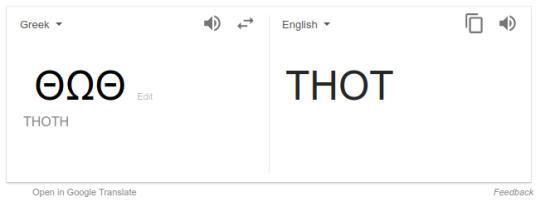

 just moving along like everyone else