I’ve been getting some questions about transformative justice lately, so here’s an attempt at a quick 101 of what that means. It’s a first draft, a work in progress.
Transformative justice is build on the belief that we all generally want to be liked by the people around us and want
those people to be okay. The stronger our sense of connection, the more likely we are to want to help and not harm people. So we generally do not do harmful actions unless there are root causes, like:
Some examples of root causes:
We do not understand that our actions are harmful
Our basic needs are not being met (could be physical needs, mental health needs, etc)
We are hurting in a way that isnt acknowledged and are lashing out as a result
We reproduce a harmful oppressive system (sexist
violence, racist violence, transphobic violence, etc)
… other root causes that I’ve forgotten right now
Punishment
does not solve any of these causes. Punishment can make us too afraid
to act for a while, but in the end, if these reasons are not adressed,
our harmful behavior is going to keep coming back.
But just
as importantly: because punishment is forced upon the punished, it can
only happen when the punisher has more power than the punished. Punishment is a matter of who has the power to punish, not of who
is right or who is deserving of punishment. Generally, punishment doesn’t happen to the bad people, just to
those without the power to avoid being punished. Punishment maintains existing power imbalances and creates new
power-imbalances, new harm, new wounds, and as a result new harmful
behaviors. Punishment perpetuates harm.
So, what is the alternative?
Well, transformative justice relies on 3 things:
Protecting the victim and giving them space to heal (sidenote: there isn’t always a simple victim-actor binary)
Protecting the community and giving it space to heal
Working with the harmful actor to see what is needed
Focussing on the last two parts here, transformative justice means having genuine honest conversations with the harmful actor to achieve for example:
The realisation in the actor that the behavior is harmful and needs to change
The
realisation in the community that someone’s basic needs were not being met
and that needs to change
The realisation
in the community
that someone’s hurt was
not acknowledged and
that needs to change
The unlearning in the actor of the oppressive behaviors that prompted the harmful behavior
The realisation
in the community
that there was no real harm and that the behavior that broke the ‘rules’ was never harmful to begin with and the ‘rules’ need to change
A combination of these things
In short, if there is harmful behavior, it means something about the way
we have organized our society probably needs changing. Often other things that can not directly be identified as ‘root causes of harmful behavior’ come up, like ‘a person that was lashing out was able to recruit a group of friends in their harmful behavior’ and those things then need to be adressed. Transformative justice isn’t just about the actor, it is about the whole community.
Where there is harm, there is also disconnection. Pain, anger, broken trust. So identification of the root causes is followed by transformation. Meaning the root causes of the harmful behavior are removed and the connection between actor and community is restored.
The goal of transformative justice is NOT that the harmful actor puts on
a show of the right apologies and demonstrations of change. It’s not a
performance of accountability. Transformative justice is about creating actual, messy,
slow, imperfect change. Remorse is not a required component. The goal isn’t a specific emotion or act, it’s reaching a situation where no new harm will occur and connections are restored.
It’s hard work, for the harmful actor and for
the community. It is generally not fun. When it is done by a group of people who have grown up in a culture of revenge and punishment, it’s very very difficult work. Since we we’re already making lists, here are some..
Common pitfalls:
We don’t always have the resources to address the needs that are not being met, whether they are physical needs or mental health needs.
We don’t always have the skills needed to really listen to each other, to find root causes behind harm, to work on genuine healing, etc. We’re quick to fall into familiar patterns of punishment & revenge or demanding ingenuine performed apologies so that we can have simplicity and closure.
Transformations are often slow and unclear, creating a long period
of uncertainty.
There is no clear sense of when it’s over or whether a harmful actor is putting enough effort into ‘dealing with their shit’. If someone is lashing out as a
result of a lifetime of abuse or a deeply engrained oppressive dogma,
they’re not likely to become perfect in a short time. Protecting victims
and the community during that long period is difficult. Transformative
justice can be emotionally draining on everyone involved over a long
period of time. It is difficult to maintain. It doesn’t have big
spectacular success stories and very little recognition.
Working with the harmful actor to achieve transformation means listening to
someone who has done harm and genuinely trying to understand their point of view. This can bring a lot of discomfort and is something a lot of us who say we want transformative justice are ultimately unwilling to do. Transformation of an actor also results in a real reconnection of bonds between the actor and the community once the transformation has taken place. Are we willing to do that?
Participation of the victim should always be voluntary. A person healing from a very harmful thing definitely shouldn’t be pushed to participate. At the same time, some victims might really want to participate in the transformative justice process but may be unwilling or unable to deal with the messy process of genuine conversations with an actor and the flawed process of transformation it involves. Giving victims agency but also allowing the actors transformative process to take place is difficult.
We’re not very good at recognizing the difference between mutual harm
and victim-actor binaries. We often end up dealing badly with
cases where that is unclear. When the actor has a marginalized identity that the victim does not have, we’re often very bad at recognizing actor and victim.
We’re often unwilling to admit the role favoritism, personal bonds and popularity plays in how we respond to the need for a transformative justice process. A person who is well liked may get a lot more support in their transformation that a person who is not. The amount of energy we’re willing to spend on someone varies.
The community may be unwilling to change parts of its culture that are consistently creating new harmful actors. For example: an community that glorifies physical strength, fighting skills and a warrior attitude is going to have to problems with that again and again. A community that focusses on performative call-outs as a way of demonstrating your ideological purity is going to be very bad at genuine transformation.
And there are more pitfalls.. so yeah, it’s complicated. It’s a lot more complicated that kicking people out or building prisons.
But while punishment is ineffective and thus required again and again and again, transformative justice creates lasting change. And because it doesn’t just change the actor, every transformative justice process also creates a better community that is better capable of preventing harm in the first place.
To round up
Transformative justice is as old as human community itself and there are many different transformative justice techniques out there. Some
rely on an outside ‘impartial’ negotiator, others are victim-led, some
require that the actor in some way repairs the damage done while other
methods reject this notion. But in general transformative justice is about:
Safety, healing, and agency for victims
Transformation for people who did harm, resulting in meaningful reconnection to the community
Community transformation and healing
Transformation of the social conditions that perpetuate harm
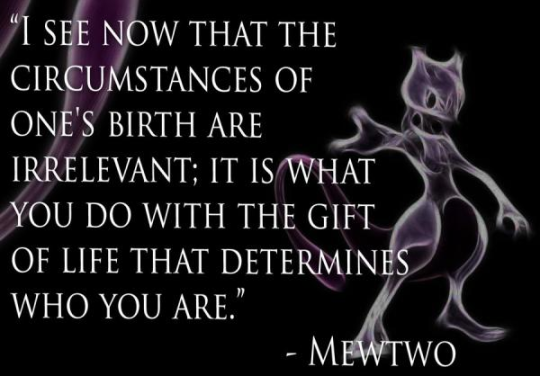
“i am a monument to all your sins” is such a fucking raw line for a villain it’s amazing that it came from halo, a modernish video game, and not some classical text or mythos
classic texts have nothing on the crazy people come up with in modern times tbh
“I survived because the fire inside me burned brighter than the fire around me.”
– Joshua Graham, Who Is A Fallout New Vegas NPC, Something Most People Throwing This Quote Around Don’t Realize
“If the world chooses to become my enemy, I will fight like I always have.”
– Shadow the Hedgehog in what is widely considered one of if not the single worst game in the Sonic the Hedgehog franchise
this is the source for this text and it haunts me on a regular basis
“Pick a god and pray.”
-Fredrick from Fire Emblem Awakening
Huh, it’s almost like art isn’t just fine art…
this is my addition to this ever growing list of raw quotes originating from unexpected sources
one time he got hit and told his teammates he was okay but when he his shift was over he pulled 3 fuckin teeth out on when he was on the bench
lance was the one sitting beside him when it happened
“hold this” “hold wHAT THE FUCK“
shiro
captain + defenceman
leading the nhl in goals for points as a defence man
shiro and keith when a fight breaks out
they’re on the same team
concussion prone
he and keith have a special handshake they do before each game and at the end they touch helmets and shiro kisses keith’s visor and it makes me cry
when keith gets sent to the penalty box the cameras always focus on shiro who looks like he’s gonna cry and “my heart will go on” plays on the PA it’s disgusting
shares a room with keith on roadies because when they’re separated they mope and pine and nobody wants to deal with that again
lance
left wing
SHARP SHOOTER
goalies fear him
teams up with pidge for awful pranks
back when lance didn’t know shiro and keith were dating, he had pidge convince the camera guys to put them on kiss cam
he regrets is after keith climbs onto shiro and it takes both him and hunk 5 minutes to pull him off
keith is unimpressed and mildly annoyed
refs try put them in the penalty box where they just take their gloves off and hold hands while discussing strategy
and they say romance is dead
hunk
defence
always looking out for his teammates
will also Fuck You Up for dirty plays
he and lance have a Bond where they always know where the other person is so he has an assist on like 80% of lance’s goals
literally the nicest player ever- he always gives his stick away to a fan at the end of each game and likes to flip pucks over the boards for kids during warmups i love him
allura
centre and alternate captain
her official role isn’t as an enforcer but she’ll still fuck you up
her slap shots can break sticks and bones
v good stamina and stick handling
involved in a lot of charity stuff on and off the ice
founded a free hockey program for kids during offseason and coaches it with shiro
pidge
playmaker/strategist
goes through 30 pieces of gum a day
posts unflattering pictures of lance to the team’s social media at least once a week
no one knows how to stop her
coran
social media
basically the guy that runs the vegas golden knights twitter
so this happened in case you wondered–as i too once wondered–how this sacred union came to be
It gets better. That was the same weekend he took a picture with Michelle Obama. As Sportsbog pointed out, that might be the first time anyone managed to get and post that particular Venn diagram of famous photo opportunities in a forty eight hour period. Ovi’s apparently just good at that.

















 just moving along like everyone else