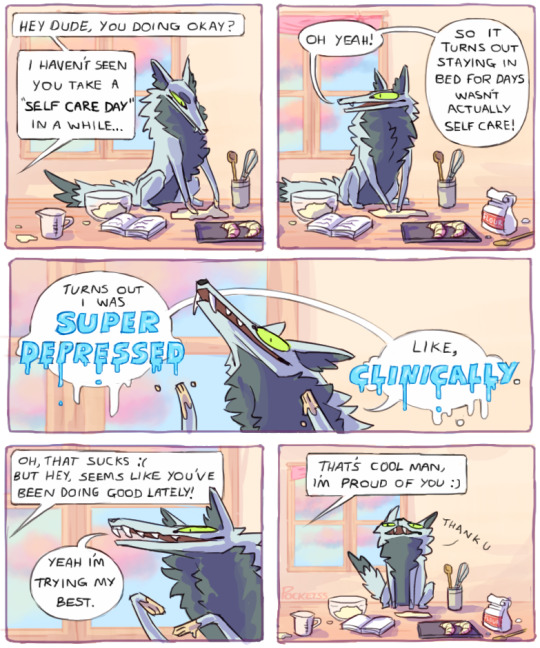
me, in september when the leaves started changing and the weather was a little cooler: seasonal depression WHOM???????i am healthy and HAPPY and i LOVE fall! pumpkin spice lattes yas! what was i THINKING? i’m remembering it as worse than it was in years past!!
me, 8 days into november when its freezing and getting dark at 5pm: ohhhhhhhhhhhhhh. oh ohoh OH. oh ya………
A couple months ago I left Friday evening, after work, for a trip up the coast with my girlfriend @suspected-spinozist. We drove up to Mendocino and spent the weekend hiking along the coast and exploring botanical gardens and having a lovely time, and then drove back down for work Monday.
I was basically useless the whole next week. I’d predicted that would happen, and I thought it’d be worth it (and it was absolutely worth it.) When I do things, I am spending my ability to do things. If I do things all weekend, I will find it nearly impossible to get anything done all week. I know exactly how much energy for extraneous tasks I have, and if I spend it I will start failing at my non-extraneous tasks, and if I push that I will start failing to eat.
Because this is my experience of the world, resource conservation models of disability are super relatable to me. I experience really sharp tradeoffs between all of the things I care about. I frequently say no to doing something cool or fun or interesting because I need to save the energy. I have limited ability to do stuff, it regenerates slowly, and having to do stuff when I’m out of ability-to-do-stuff will set me back for even longer. For that reason, I spend lots of my energy on resource conservation – thinking and planning how to do as little stuff as possible while staying on top of my life.
The most common conservation model of disability is the ‘spoons’ one that originated in the chronic illness community. There’s been a lot of arguing over who gets to lay claim to ‘spoons’, but certainly anyone can lay claim to a resource conservation model in general.
I talked recently to someone whose brain works very differently from mine. If they have the structures in place that they need to succeed, they will just keep on being able to do stuff until one of those structures breaks down. They can pack their weekend and then work all week; they can have something after work every single night. But if a structure crumbles on them, suddenly they can’t do much of anything.
The person I talked to was familiar with resource conservation models, and this really harmed them when their structures crumbled. They found advice to cut back on the stuff they were doing, save energy, commit to the minimum necessary, cancel plans. And none of that helped, plus it’s actually really depressing and isolating to do the absolute minimum you need to survive every day, so they ended up just as stuck and now without any of the things that made them happy.
So I think there are people who, instead of a conservation model, benefit from a momentum model – they have a state in which they can get stuff done, and once they’ve built up the structures they’ve need they can just stay there and add stuff to the structure. If they lose their ability to do things there’s a structure that needs replacing – cutting back in general won’t help.
In practice, almost everyone is probably a mixture of these things. Even people who mostly run on momentum would probably hit the point where their ability to do stuff traded off against their ability to do other stuff if, say, they were cutting back on their sleep to crowd more things into their day. Even people who have to shepherd their resources really carefully sometimes have things (like blogging, for me) which are easy and effortless as long as it’s part of their daily routine. And I bet there are people who need to resource-conserve for physical activity but whose socialization or intellectual output is best modeled as a momentum thing, or conversely people who can exercise every day as long as it’s part of their routine but need to carefully plan when they’ll have to expend willpower on tasks like writing.
So it’s probably good to have both models in your head – both because they could both apply to you, in different contexts, and because they will definitely both apply to some people you’re giving advice to.
I find that if I’m wearing Real Adult Business Clothes my worksona can do things like call people and check my inbox, whereas pajamas hellen mostly wants to shovel hamburgers into her face and set things on fire.
taking a shower is a great help in getting my ass going tbh


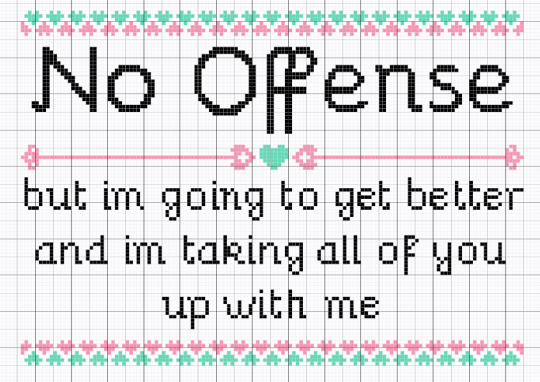
 just moving along like everyone else