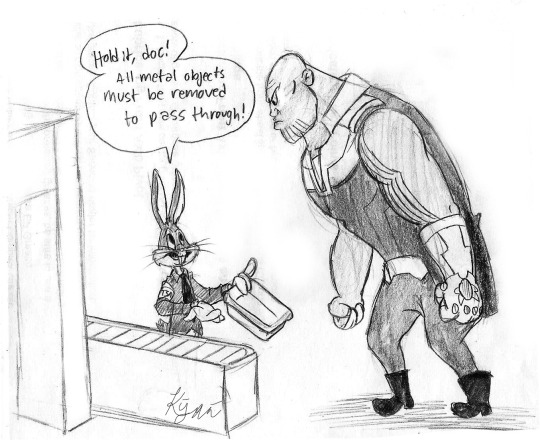
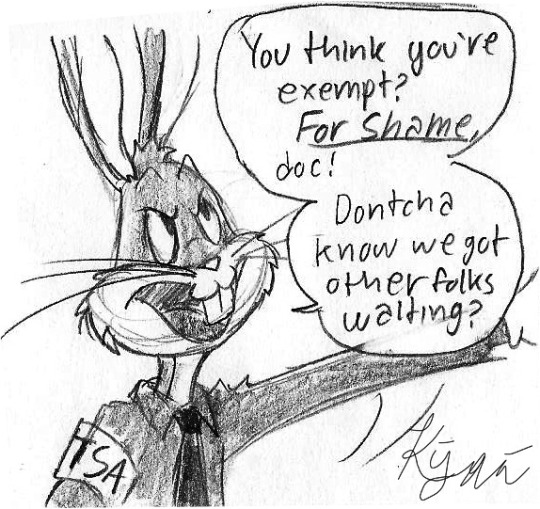
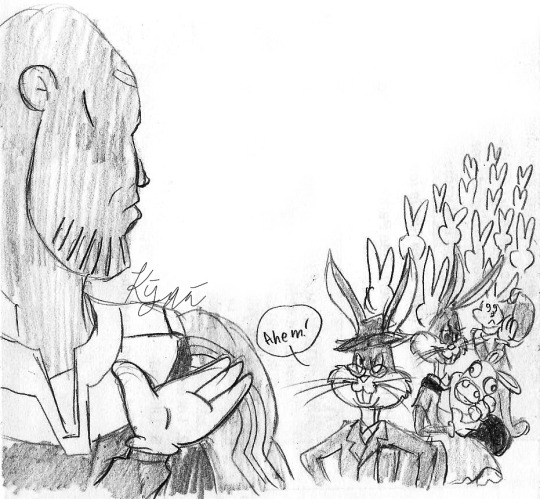
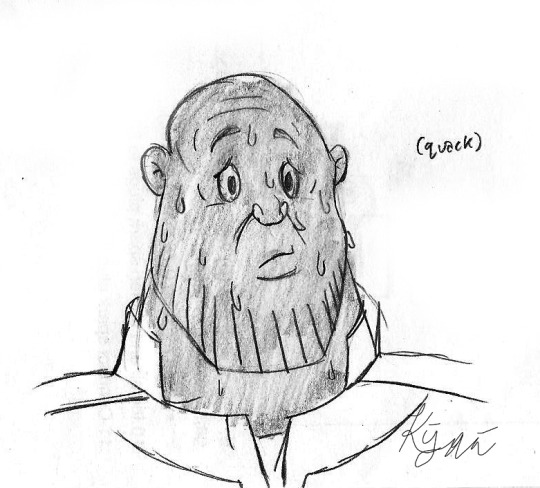
Bugs Bunny could singlehandedly defeat Thanos by dressing up as a TSA agent and setting up a metal detector in the middle of the battlefield saying that all metal objects must be removed if you want to pass on through now stick around for my 2,000 word essay on just how effectively he would convince The Mad Titan to comply
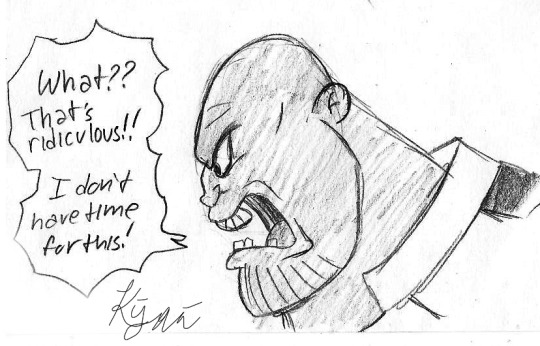
“For shame, doc! Dontcha know we got other folks waiting?”
(Thanos looks behind him and sees dozens of Bugs Bunnies dressed as angry yelling travelers with huge bags of luggage. Thanos rubs his neck guiltily and begins sliding off the gauntlet)
i’ve just finished reading the protector of the small series
for the dozenth time, and i’m just … i can’t help but imagine how the rest of
her life pans out
raoul says that giving kel all that she asks for within
reason to build her new refugee town is the crown’s way of saying they’re sorry
for putting her people in danger. but the crown doesn’t care about her people,
can’t care about five hundred refugees when there’s a whole war being waged.
they’re not saying sorry for endangering the refugees.
they’re thanking kel for winning the war.
no one can acknowledge what she did, running from her post
into enemy land to save her people was treason, and those that followed her
(besides dom’s squad) committed treason too. they can’t acknowledge what she
did, because then they would have to punish her for it, and they’re not going
to do that. so giving her more supplies is their way of saying thanks, the only
way they’ll knows she’ll accept, this painfully practical girl who always,
always puts others before her own self-interest.
she killed blayce, and stopped the killing machines, the
only things that stood in the way of tortall winning the war. she marched into
scanra with a ragtag group and did in a couple weeks what the rest of the realm
hadn’t been able to do for over a year.
the tales they must tell of the lady knight, of keladry of
mindelan.
they took her people, stole them right from under her nose.
so she marched into the heart of war and took them back, rather than follow
orders she flung herself like an arrow into enemy territory and killed the
famous mage that had stolen them, saved the adults, and then kept going and
saved all the children too. she didn’t leave anyone behind. she refused to
leave anyone behind.
commoners trust her, like her. they know that if they follow
the lady knight she won’t abandon or abuse them. kel has this gift for making everyone
around her shine a little brighter, she brings out the best in people.
her maid lalasa becomes the best seamstress in tortall and
opens up her own dress shop, making dresses for the queen and other noble ladies.
kel picks up an abused boy from an inn, one touched my horse magic, and he finally
gets to use his gift, sharpens himself with it, and learns weapons.
she hates praise, is only trying to work and do right by
those around her. but just as raoul told her when she was a squire, she’s a
commander, a natural leader, and people flock to her.
i like the idea of kel accidentally becoming powerful. not
with the nobles, but with the commoners. whispers travel fast, and everyone
knows about kel, soon commoners she’s never met trust her with their lives,
will follow her orders when they’d follow no other’s, just based on what they’ve
heard, what they know she’s done for others.
kel could single handedly lead the commoners in a rebellion
against the crown, if she so desired. she doesn’t. she’s loyal to the crown,
and if she’s unsure how she feels about their current king and queen, she knows
how she feels about roald and shinkokami.
toby eventually goes to work in the palace as a horse
breeder and trainer. every time kel or her squire (she has several, over the
years. after her first stunningly successful squire, the crown quietly offers
her a gold purse for every squire she takes on so she can afford to outfit
them. she tries to protest, but they only call it an investment – those under
her tutelage always prove invaluable to the crown) need a horse, he’s the one
who supplies them, and he won’t accept any payment. kel tries to argue, but
toby only laughs at her. she raised him after she took him in, and he calls her
mother more often than not, and refuses anything she tries to give him.
it’s like lalasa, who after all these years as a fabulously
wealthy and famous designer and seamstress, still mends the holes in kel’s
clothes, still fits her for everything she wears, and makes her dresses whenever
she has an occasion to wear them. and still won’t take anything for her work.
they are the rule, not the exception. kel becomes the person
who “knows a guy” for almost everything, and there seems like there always some
sort of tradesperson or someone who knows someone who feels indebted to kel.
the king jokes they could replace their spy network just with the friends kel’s
made on the road, and she’s appalled.
when she’s older, and had spent decades fighting, they offer
her a position – the pages’ training master.
under her, the pages are stronger, smarter, kinder. the knights
who’d complained about her appointment shut up when they take her pages on as
squires.
kel enjoys fighting. but she loves teaching, and it shows.
as much as wyldon had disliked this position, kel loves it.
and when it all threatens to overwhelm her – her best
friend, sir nealan, is just down the hall. he and yuki live at the palace,
where he divides his time between teaching magic classes to those pages who
have the gift, and assisting in the infirmary.
“you can love villains/antihero characters but you still have to hold them accountable! If you don’t you’re just excusing their actions!”
hold them accountable how? to whom? they’re fictional. they do unreal things in imaginary places, and how much the fans love or hate them has zero effect on what the writers choose to do with them. Their actions can literally only have consequences within the fictional narratives in question. Fans liking a character has no degree of effect on that narrative.
And to be frank, telling a good story that holds it’s tension will always come first, and sometimes that means that the plot has to move on rather than get mired heavy handed “accountability.” Because let’s face is, the bludgeoning morality plays that people demand these days have nothing to do with genuine repentance and growth in a character arc and everything to with a vicious hunger for punishment and brutal schadenfreude – and that very seldom makes for a balanced and meaningful story.
and really, virtue signalling and trying to shame your peers for openly enjoying pretty much anything…. those are not good looks.
Ok I saw a rb of this with some context and I only remember like half of it so I’m also using Google I may get some of this wrong
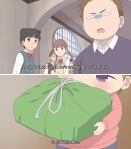
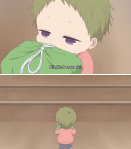
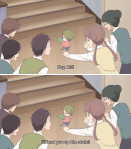
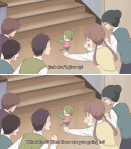
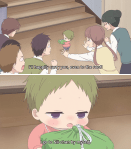
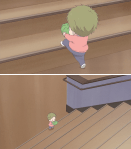
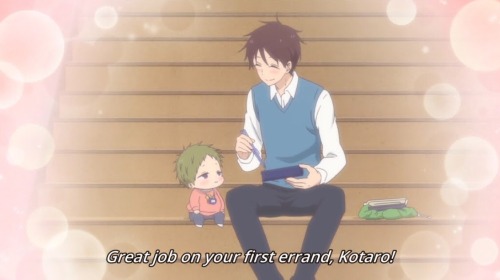
But apparently the “first errand” thing isn’t just a cute little fact about the little kid, it’s a totally real thing done in Japan to teach kids that they can like rely on the community to offer assistance if they need it. They send their kids (like 2-3 years old) out alone to perform a relatively simple errand like going to a convenience store and buying a carton of milk. (There’s even a tv show where a camera crew follows children as they accomplish this first errand.) It’s not uncommon to see kids as young as 6-7 riding the subway alone because they’ve gained this sense of independence that comes from knowing that there will be people to help out if they need it.
Oh my god that’s even better
As someone who grew up with a paranoid and over-protective mother, this both warms my heart and terrifies me.
So, while for some reason everyone here is engulfed in one of tumblr’s periodic debates about whether or how to police writing done largely by women for women for free, in the world of contemporary fiction there’s a meltdown going on right now over men who get paid for writing literature, and the men who give them money and prizes for it.
Specifically, Junot Diaz, author of The Brief Wondrous Life of Oscar Wao and This Is How You Lose Her, has been accused by multiple Latina writers of a wide range of asshole behavior toward them, ranging from sexual assault to verbal abuse to deliberately trying to destroy the careers of women who challenged him on any of it. This story is complicated by the fact that Diaz recently published an essay in The New Yorker in which he writes about being sexually abused as a child and the effect it had on his sexual and romantic life as an adult. It’s a good essay, and it was greeted with universal admiration; but now, the possibility arises that it may have been an attempt to pre-empt the critique he knew was coming. Mary Karr has also pointed out that Diaz is more vulnerable to these charges because he’s Latino; the literary world has known for years that Karr was abused and stalked by David Foster Wallace, author of the critically acclaimed mega-novel Infinite Jest, who suffered no consequences fbecause, Karr says, Wallace was white. For all of these reasons, it’s worth pointing out up front that what Diaz is charged with doing is not unique amongst contemporary American male writers; and when you go farther back in time, things get worse. Just off the top of my head, William S. Burroughs shot and killed his wife Joan Vollmer and Ernest Hemingway was an abusive husband.
Below, I’m going to talk about men, writing, and the history of contempt for not only women writers but women readers.
Because it’s behind the cut tag, I’m going to pull out my favorite part of this post and quote it:
“Because if the critical establishment loses its taste for misogyny–if a book like This Is How You Lose Her, or a book like The Corrections,comes to be considered just bad form–that will reduce the amount of misogynistic work out there far more effectively than any attempt at direct censorship would. Think of the vast number of conventions regarding love and sex that would be discarded, one by one, if people stopped being able to enjoy and appreciate misogyny embodied in literary form. What conventions would arise to take their places? Which revered Literary texts would gradually become minor works taught only to graduate students? What kind of canon would an aesthetic that valued equality more highly than masculinity produce?”













 just moving along like everyone else