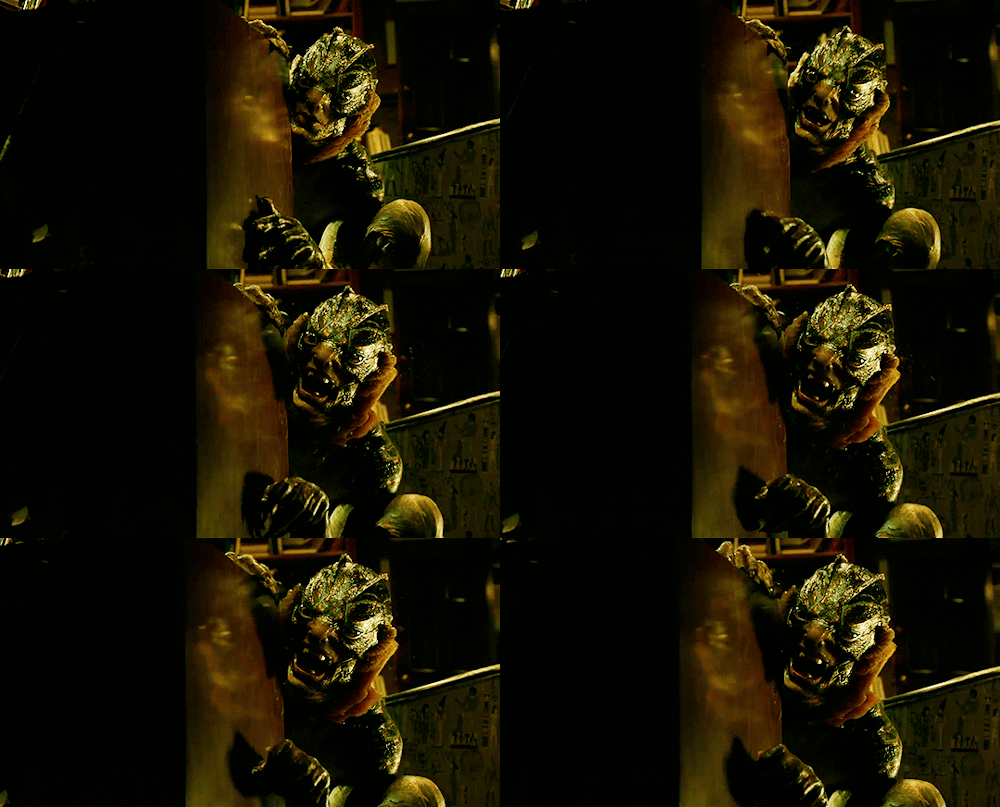
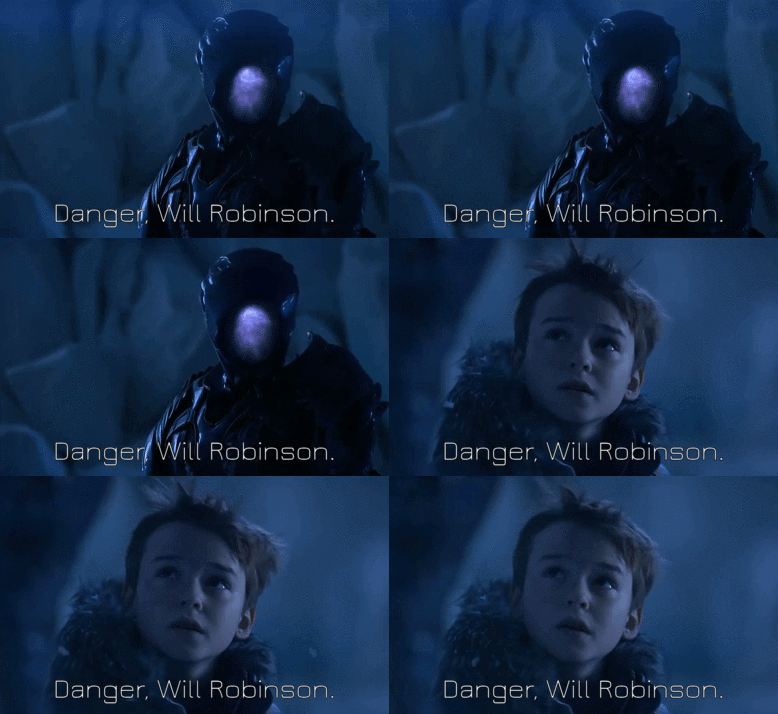
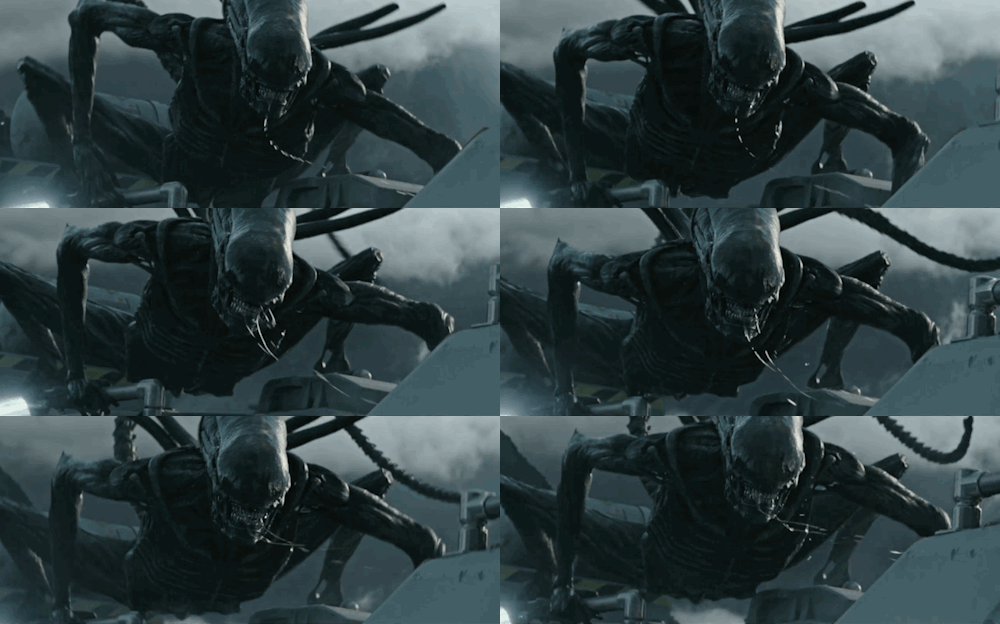
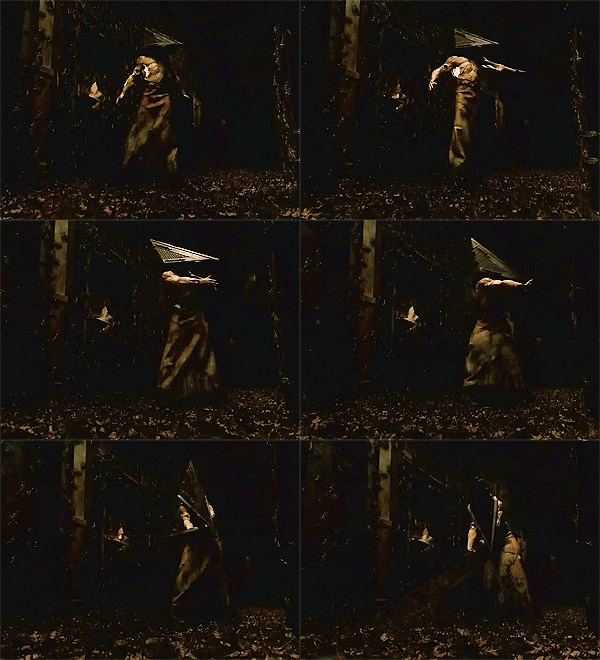
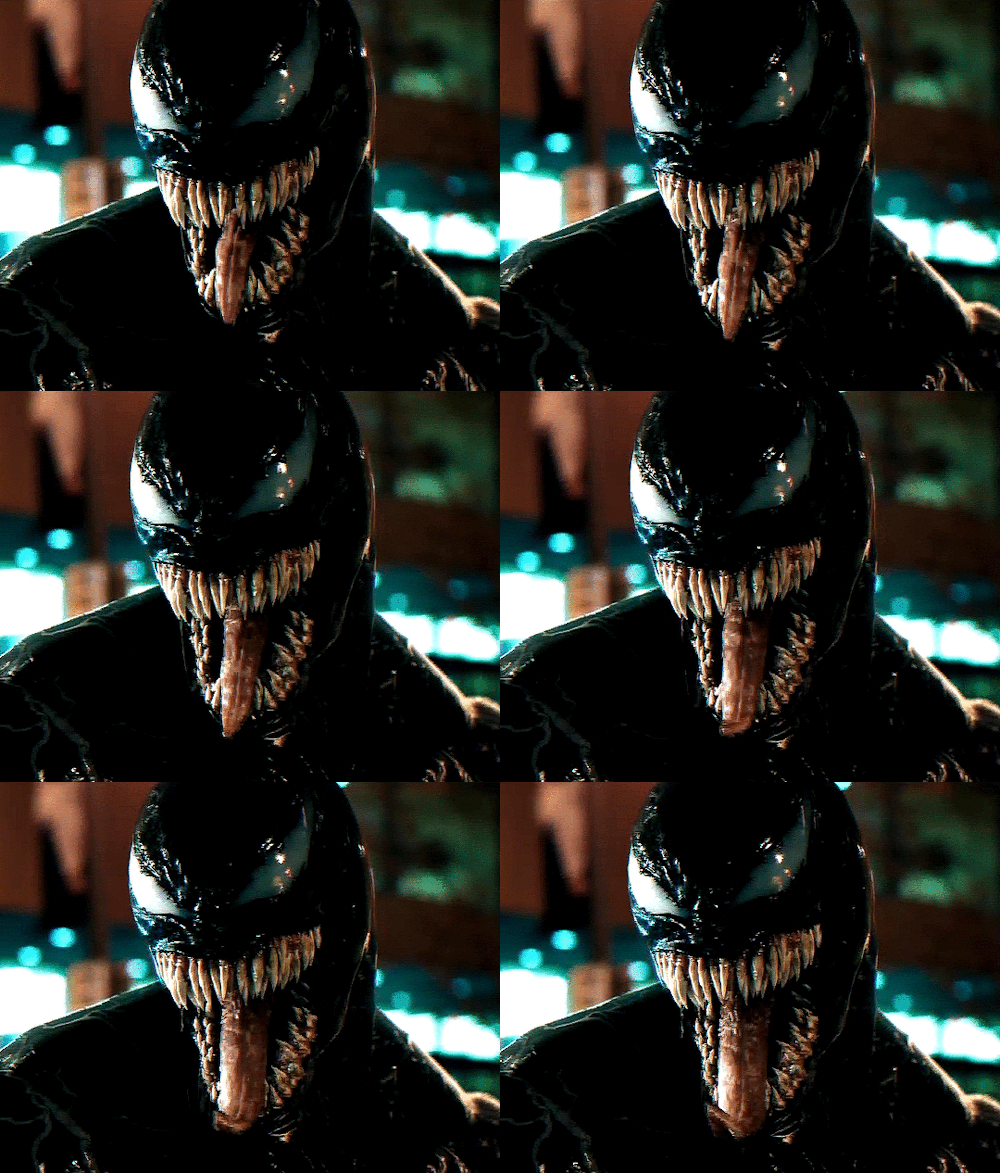
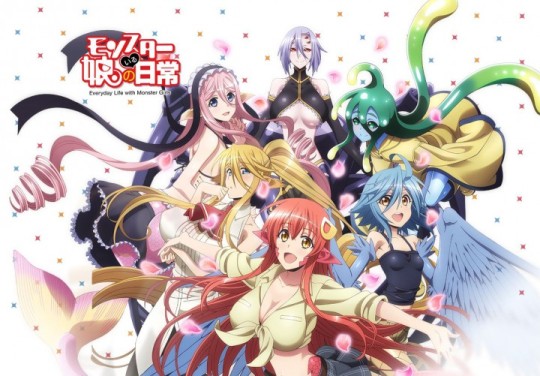
The distinction I think is that the top characters are mostly designed to be monstrous with sexual undertones, whereas the bottom ones are mostly designed to be sexual with monstrous undertones. In other words, the guys up top were built as primarily monstrous and then people sexualized them (the Shape of Water guy not really, but he’s based on one that worked that way), whereas the Monster Musume cast and most “monstergirls” generally are designed as sexy cheesecake type characters first and then the monstrous elements are like the Miscellaneous Forehead Putty on Star Trek aliens.
If you look around art sites, though, you can totally find the counterparts to each pattern: monstrous female monsters being sexualized, and beefcakey sexpot guys with some monstrous elements. And definitely nobody would ever accuse guys of having trouble sexualizing female characters, so it’s clearly not a lack of imaginination. I think what’s actually reflected here is patterns of media creation rather than consumption.
In the media, primarily-sexual characters default to female because being sexual is coded female. But being female is marked while being male is unmarked, so if a character’s point is mainly to be a monster without being overtly hypersexualized, they’ll almost never be made female. Conversely, given a female monster creators will often sexualize her to an excessive degree just out of habit. There’s an underlying assumption here in content creation that sex sells, but only to men, and that there’s no other reason for a monster to be female except for that. And maybe that’s true to some extent in the sense that it probably shows up in raw sales numbers. But I’m pretty sure that if there were more female-coded monsters that were seriously monstrous, you’d see a comparable amount of Tumblr thirst, if only because Tumblr is that way. (And, comparably, if they made Monster Musume but all cutesy hypersexualized monsterguys, it might not move mountains in Akihabara but it’d do pretty okay.)


 just moving along like everyone else